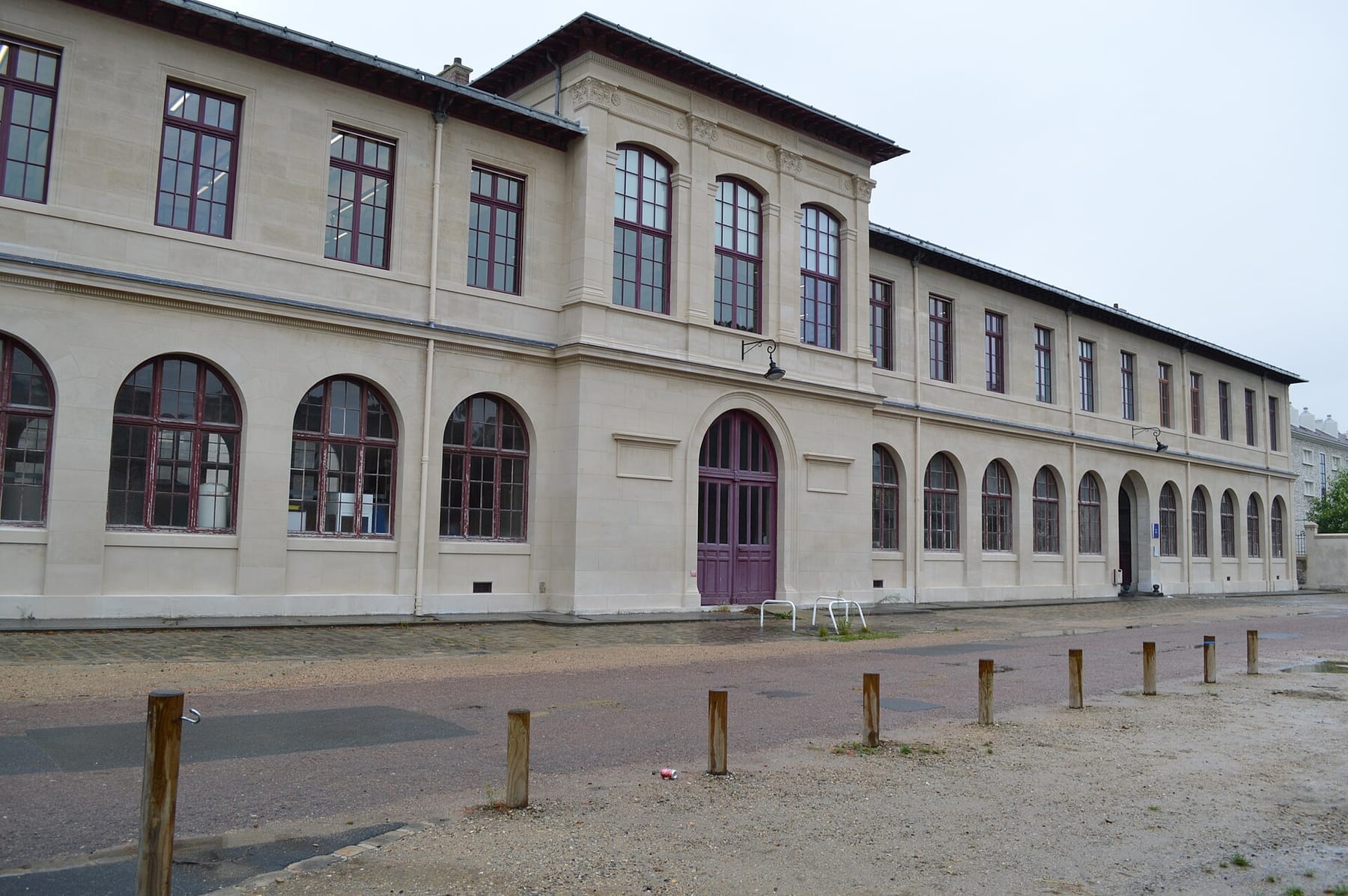

École nationale vétérinaire d'Alfort (EnvA)
Maisons-Alfort, Île-de-France, France
École nationale vétérinaire d'Alfort
University
Integrated, Certificate
2 researched programs
Independent directory of veterinary schools and programs worldwide
Europe
4 researched institutions with a campus here, offering 5 veterinary programs. This is the research done to date, not a complete list of every program.
4 schools
Maisons-Alfort, Île-de-France, France
École nationale vétérinaire d'Alfort
University
Integrated, Certificate
2 researched programs
Toulouse, Occitanie, France
École nationale vétérinaire de Toulouse
University
Integrated
1 researched program

Nantes, Pays de la Loire, France
Oniris VetAgroBio Nantes - formation vétérinaire
University
Integrated
1 researched program

Marcy-l'Étoile, Auvergne-Rhône-Alpes, France
VetAgro Sup - campus vétérinaire
University
Integrated
1 researched program
How results are ordered: alphabetically by institution, or by most recently checked when you choose that sort. There is no price ranking, because tuition in different currencies, fee categories and bases (per year, per credit, whole program) is not comparable. Adjacent subjects such as pre-veterinary or animal science appear only when you choose a subject. A value we could not verify is shown as “not published”, never as “no”. Items marked Sponsored are paid placements; they never change accreditation information, verification or order. Online programs are not counted as physically located in a state or city, and an institution’s location does not tell you whether it enrols students from your country.
Veterinary medicine is taught in four public national veterinary schools (Alfort, VetAgro Sup near Lyon, Oniris in Nantes, Toulouse) and the course lasts at least six years after the baccalauréat, or seven or more years through the routes that enter in second year. Years 1 to 4 are mainly theory and years 5 and 6 are clinical, ending with a doctoral thesis. Entry is only by national competitive concours: either the post-bac concours via Parcoursup or concours after two years of higher education.
Source: concours-veto-postbac.fr/devenir-veterinaire/les-etudes/
Names and levels are local to France. Similar names in other countries are not interchangeable.
Accreditation, validation, education authority and registration are different roles. Do not read a listing by one body as evidence from another.
Current rules as described by the official source; always check the authority directly.
According to the national concours site, the doctor of veterinary medicine diploma (thesis in year 6) is the only diploma giving full right to practise veterinary medicine and surgery; the diploma of fundamental veterinary studies (DEFV) after year 5 allows work only under restricted conditions. Registration steps with the professional order were not researched. Source
No degree on this site automatically permits anyone to practise as a veterinarian, and nothing here is visa, work-permit or credit-transfer advice.
Teaching languages. The schools publish in French; teaching languages of the programmes are not stated on the pages consulted.
Admissions. Post-bac candidates apply on Parcoursup and complete a self-assessment questionnaire; the number of places, fees and tests are published on Parcoursup. Other routes (CPGE BCPST/TB, licence, BUT, BTS/BTSA, Bac+5) enter in year 2. A candidate may not apply more than twice across the non post-bac routes. Source
Country information last reviewed 19 October 2026. 3 sources consulted.